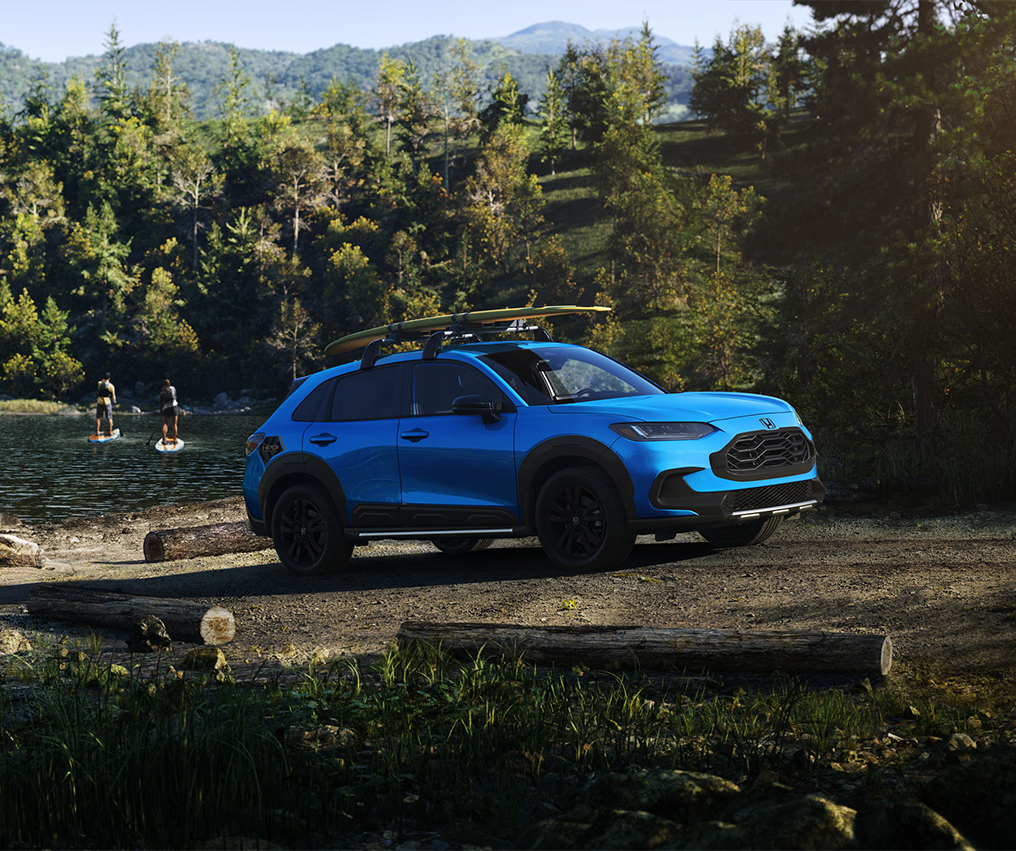
2026 Honda HR-V vs. 2026 Toyota Corolla Cross vs. 2026 Hyundai Kona
Subcompact crossovers continue to be one of the most competitive corners of the market, and for good reason. Buyers want efficient daily drivers with real cargo space, modern safety tech, and a cabin that feels grown-up rather than entry-level. Three contenders make the short list almost every time: the 2026 Honda HR-V, the 2026 Toyota Corolla Cross, and the 2026 Hyundai Kona. Each one brings something different to the segment, but only one combines refined road manners, a generous rear-seat layout, and one of the strongest standard tech bundles in the class. Let's see how they compare across the categories that matter most to Washington, PA drivers.
Performance
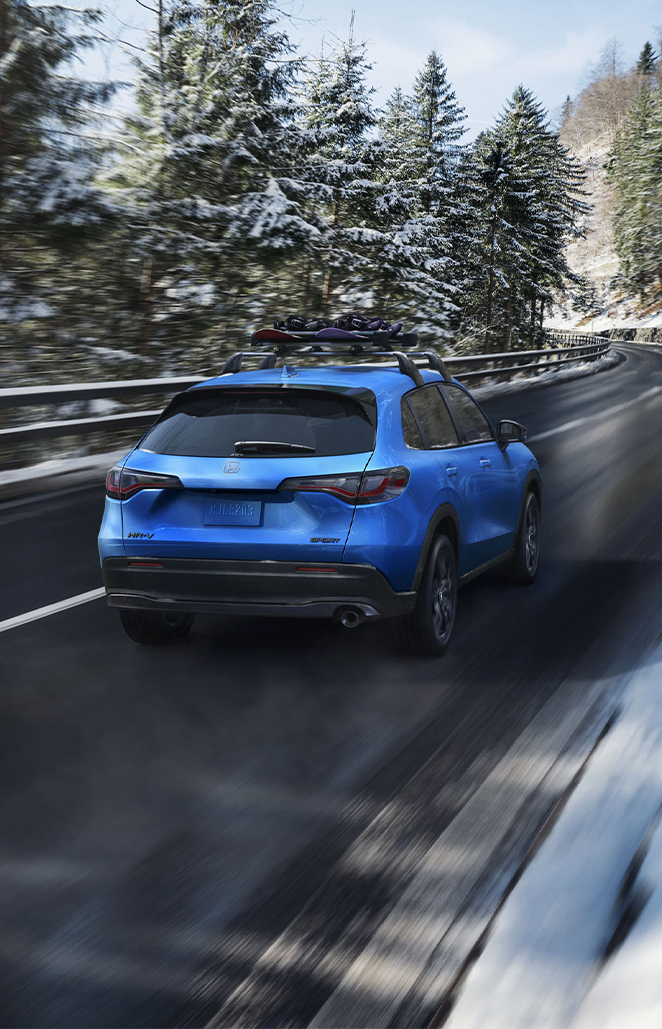
The 2026 Honda HR-V is powered by a 2.0-liter inline-four producing 158 horsepower, paired with a continuously variable transmission and available Real Time AWD with Intelligent Control. Built on the same architecture as the Civic, the HR-V delivers a composed, planted ride that reviewers consistently call refined and mature for the class.
The 2026 Toyota Corolla Cross gas model uses a 2.0-liter four rated at 169 horsepower, while the Corolla Cross Hybrid bumps combined output to 196 horsepower with standard electronic on-demand AWD. On paper the numbers look strong, but multiple road test reports note excessive engine noise during moderate acceleration and a cabin that lacks adequate sound deadening.
The 2026 Hyundai Kona offers two engine choices. The SE and SEL Sport use a 147-horsepower 2.0-liter paired with a CVT, while the SEL Premium and Limited step up to a 190-horsepower 1.6-liter turbo with an eight-speed automatic. AWD is optional across the lineup. The base engine can feel sluggish under hard acceleration, and reviewers note the engine gets buzzy when pushed.
While the Corolla Cross and Kona offer higher peak horsepower in specific configurations, the HR-V's Civic-derived chassis tuning delivers consistent, confidence-inspiring performance that feels far more polished than its output suggests. Combined with the available Real Time AWD with Intelligent Control system, the HR-V handles real-world driving conditions with a level of poise its rivals struggle to match.
Design and Comfort
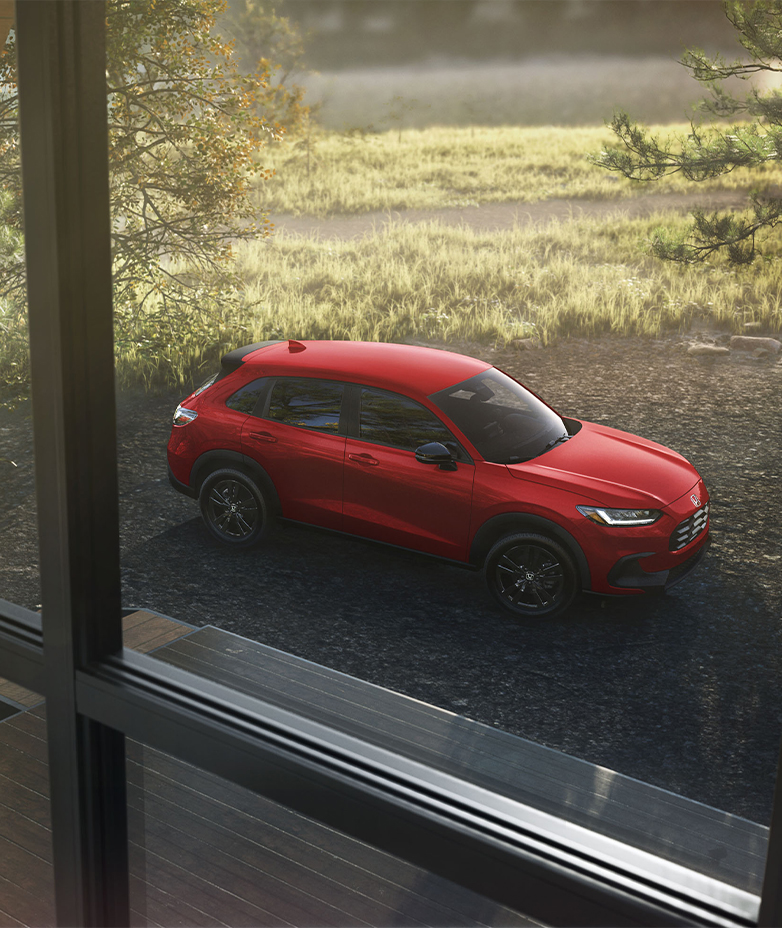
This is where the 2026 Honda HR-V stands out for everyday usability. With 37.7 inches of rear legroom, the HR-V offers one of the roomiest rear seats in the segment, especially compared with the Corolla Cross, easily accommodating taller passengers in the second row. A 60/40 split-folding rear seat opens up 55.1 cubic feet of cargo space, and 24.4 cubic feet remain behind the rear seats for everyday hauling.
The Corolla Cross trails noticeably here. Reviewers point to rear seats that lack legroom and bottom cushions that feel short on under-thigh support. Maximum cargo capacity tops out at 46.9 cubic feet with the rear seats folded, well short of the HR-V and the Kona.
The Kona is roomy in absolute terms, with up to 63.7 cubic feet of cargo space with the seats folded. However, real-world reviewers flag practical pain points: plastic door armrests that get uncomfortable quickly, and a steering wheel that cuts off part of the gauge cluster for many drivers.
The HR-V also brings comfort features that step up nicely as you move through the lineup, including heated front seats and remote engine start on Sport, plus leather-trimmed seats, an 8-way power driver's seat, and dual-zone automatic climate control on EX-L. The result is a cabin that feels substantially more premium than the segment average.
Technology and Safety
The HR-V offers one of the strongest standard tech bundles in the segment. Every 2026 Honda HR-V comes with a 9-inch color touchscreen, wireless Apple CarPlay® and wireless Android Auto™ compatibility, and a wireless phone charger standard on every trim, from the entry-level LX all the way up. The EX-L adds an 8-speaker audio system for richer sound quality.
Honda Sensing is standard on every HR-V, with the following standard active safety features:
Sport and EX-L trims add Blind Spot Information with Cross Traffic Monitor, and the EX-L includes front and rear parking sensors plus low-speed automatic emergency braking.
The Corolla Cross comes with Toyota Safety Sense 3.0 as a strong standard package, and the Kona pairs with Hyundai SmartSense, also standard. Both are competent suites. Where the HR-V differentiates itself is pairing a proven Honda Sensing system with a refined Civic-based driving experience and consistent standard equipment across every trim, so buyers do not have to step up the lineup to get the core tech and safety features they want.
- Collision Mitigation Braking System
- Road Departure Mitigation System
- Adaptive Cruise Control with Low-Speed Follow
- Lane Keeping Assist System
- Traffic Sign Recognition
- Traffic Jam Assist
The Verdict: The 2026 Hyundai Tucson Is the Compact SUV to Beat
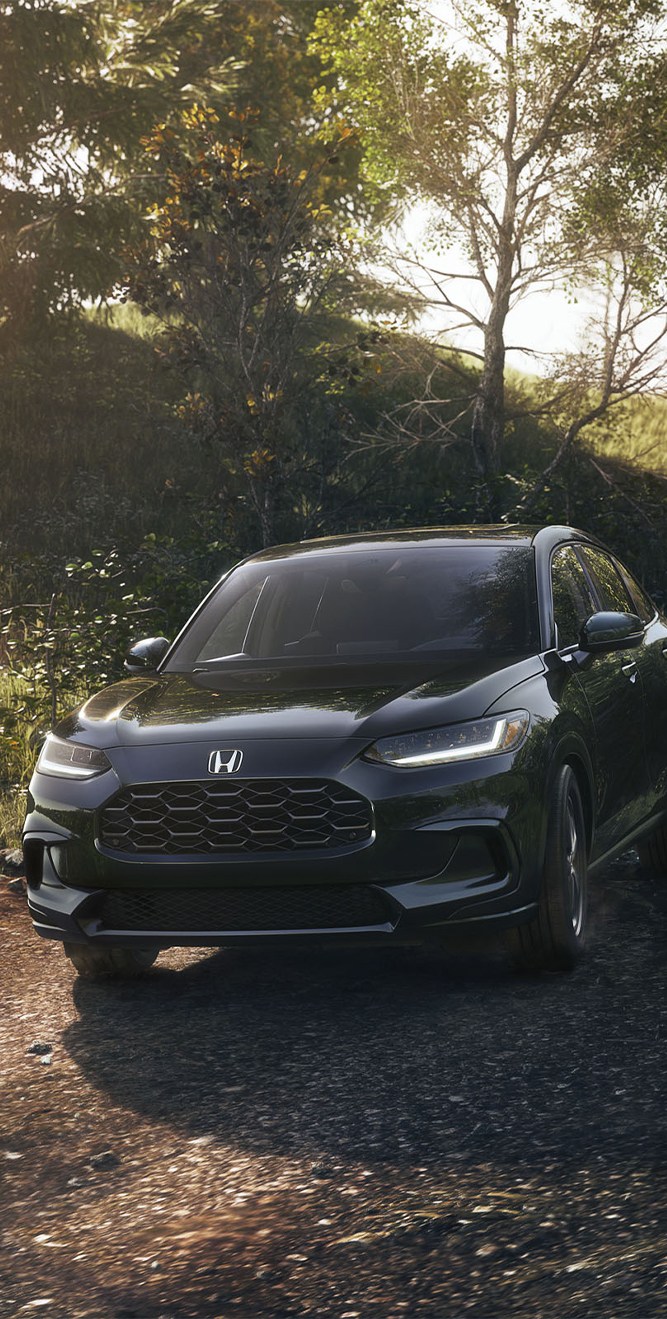
All three of these subcompact crossovers have something to recommend them, but when comfort, refinement, standard equipment, and everyday usability are weighed together, the 2026 Honda HR-V is the clear winner. A genuinely roomy rear seat, a Civic-based platform tuned for refined ride quality, Honda Sensing standard on every trim, and a 9-inch touchscreen with wireless smartphone integration from the base LX up give it a depth of value the Corolla Cross and Kona struggle to match.
Experience the 2026 Honda HR-V for yourself with a test drive at Washington Honda in Washington, PA. Our team is ready to help you find the trim that fits your driving life.